


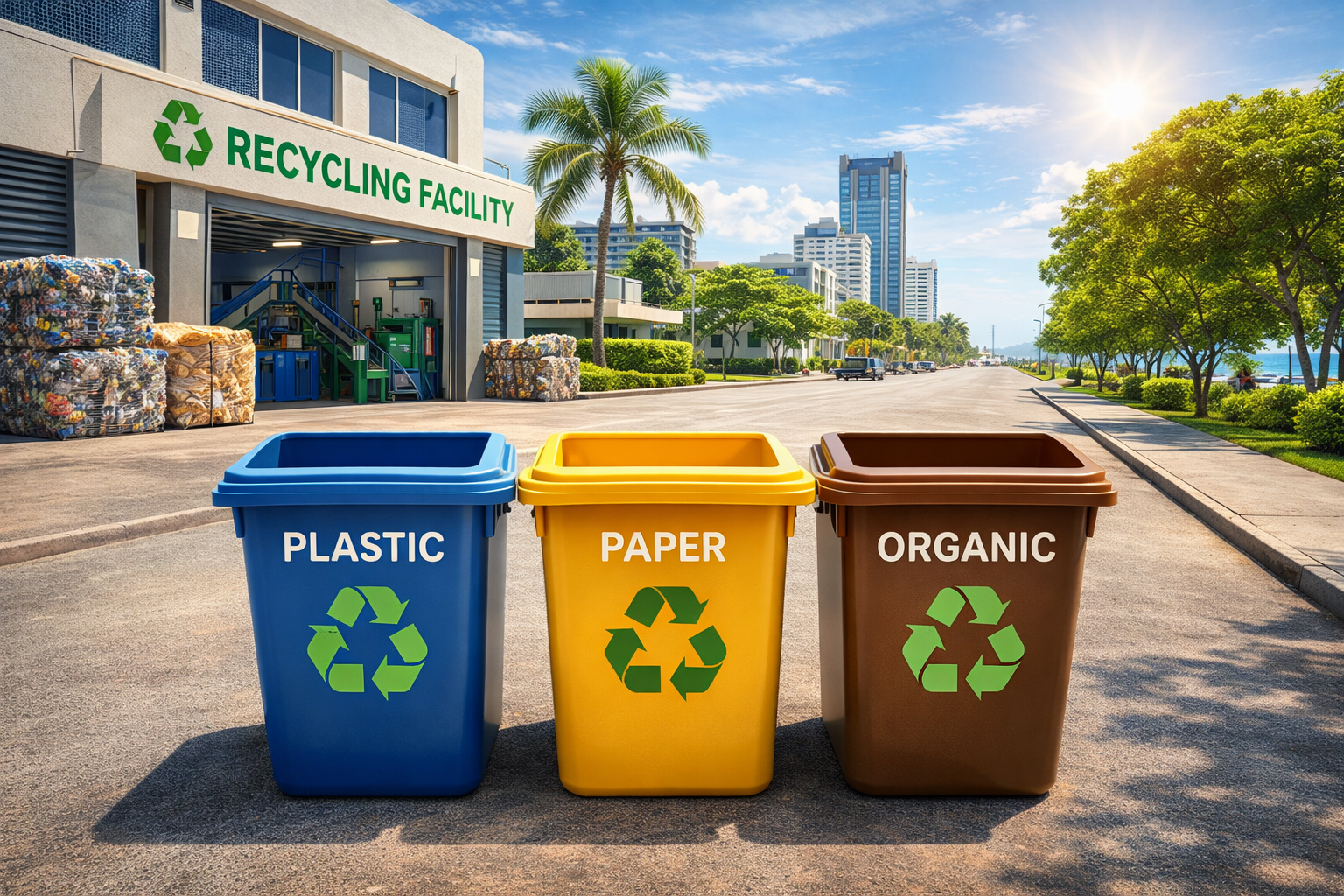
Transforming Somalia’s Environment through Sustainable Waste Management

From Waste to Wealth:
As urbanization in Somalia continues to accelerate, our cities face an invisible but growing crisis: Solid Waste Accumulation. For too long, waste has been viewed as a burden to be burned or buried. However, at Waara Green Organization, we advocate for a paradigm shift. By implementing scientific waste management strategies, we can protect our public health, preserve our oceans, and create a circular economy that benefits every citizen.
1. The Environmental Cost of Mismanaged Waste
In many Somali cities, open-air dumping and burning are common practices. Scientifically, these methods are catastrophic for the environment:
- Air Pollution: Burning plastics releases Dioxins and Furans, toxic chemicals that increase the risk of respiratory diseases and cancer in local communities.
- Groundwater Contamination: Rainwater filtering through unlined landfills creates a toxic liquid called Leachate, which seeps into our aquifers and contaminates our primary source of drinking water.
- Marine Plastic Crisis: Somalia has the longest coastline in mainland Africa. Mismanaged land waste eventually finds its way into the Indian Ocean, devastating coral reefs and polluting our fish stocks with microplastics.
2. The Science of the “Circular Economy”
To solve this, Waara Green Organization promotes the “Circular Economy” model. Unlike the traditional “Take-Make-Dispose” model, the circular economy focuses on three pillars:
- Reduce: Minimizing the use of single-use plastics through policy and community
- Reuse: Encouraging the repurposing of materials like glass and
- Recycle: Converting waste into new For instance, plastic waste can be shredded and molded into eco-friendly construction bricks or pavement tiles.
3. Organic Waste and the Power of Composting
Statistically, more than 50% of the waste generated in Somali households is organic (food scraps and agricultural remains). Instead of clogging landfills, this waste can be transformed through Composting:
- The Process: Aerobic decomposition breaks down organic matter into nutrient-rich
- The Benefit: This “Black Gold” can be used in our reforestation projects (Restoring the Green Canopy), reducing the need for chemical fertilizers and improving soil health
4. Waste-to-Energy (WTE) Potential
Looking toward the future, the science of Waste-to-Energy (WTE) offers a sustainable solution for Somalia’s energy needs. Through anaerobic digestion or controlled incineration, municipal waste can produce:
- Biogas: For clean cooking in
- Electricity: Helping to lower the cost of energy while reducing the volume of waste by up to 90%.
Fact Sheet: The Environmental Footprint of Common Waste Items
You need to know how long it takes for the products we use every day to decompose in the environment if they are not disposed of properly:
| Item Type | Decomposition Time | Environmental Impact |
| Plastic Water Bottle | 450 Years | Breaks into microplastics that enter the food chain and oceans. |
| Aluminum Soda Can | 200 – 500 Years | Harmful to soil health if left in landfills; highly recyclable. |
| Plastic Grocery Bag | 10 – 20 Years | Chokes wildlife (especially camels and turtles) and clogs drainage systems. |
| Cigarette Butt | 1 – 5 Years | Releases toxic chemicals like nicotine and arsenic into the soil. |
| Item Type | Decomposition Time | Environmental Impact |
| Glass Bottle | 1 Million Years / Never | Does not decompose naturally but is 100% recyclable infinitely. |
| Cardboard Box | 2 Months | Lowest impact, but contributes to methane gas if buried in a landfill. |
Why is this data important for Waara Green Organization?
This data shows why Recycling and Reducing are important in Somalia. For example, if a plastic water bottle is thrown on the streets of Mogadishu or Hargeisa, it will remain there for several hundred years!
Conclusion: A Cleaner, Greener Future
Sustainable waste management is not just the responsibility of the government; it is a collective mission. At Waara Green Organization, we believe that through education, infrastructure investment, and community action, we can turn our waste into wealth. A clean city is a healthy city, and a healthy city is the foundation of a prosperous nation.